
Exploring Chaotic Art Techniques: Finding Beauty in Organized Chaos

Art often reflects the complexity of life. Sometimes, it captures order and symmetry. Other times, it embraces unpredictability and disorder. I find the latter especially fascinating. Chaotic art techniques allow artists to express raw emotion and spontaneity. They create works that feel alive, dynamic, and full of energy. In this post, I explore how chaos and order blend in art, revealing new ways to appreciate and create.
Understanding Chaotic Art Techniques
Chaotic art techniques involve using randomness and unpredictability as part of the creative process. These methods break away from traditional rules and structures. Instead, they invite chance and intuition to guide the work. Some common chaotic techniques include:
Drip painting: Artists let paint drip or splash onto the canvas, creating organic patterns.
Automatic drawing: Drawing without conscious control, allowing the hand to move freely.
Collage with random elements: Combining unrelated images or materials to form unexpected compositions.
Mixed media layering: Applying different materials in no fixed order, building texture and depth.
These techniques encourage experimentation. They challenge artists to let go of control and embrace imperfection. The result is art that feels spontaneous and alive. It often surprises both the creator and the viewer.
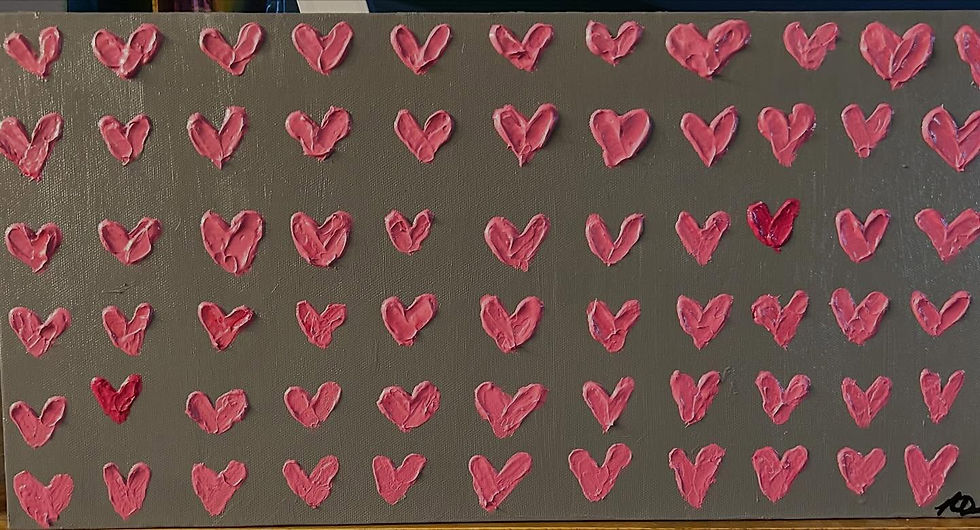
What is Ordered Chaos in Art?
Ordered chaos in art is the balance between randomness and structure. It means allowing disorder to exist within a framework. This approach creates tension and harmony at the same time. Artists use it to evoke complex emotions and ideas.
For example, a painting might have a loose, freeform background with carefully placed focal points. The background’s chaos contrasts with the order of the main subject. This contrast draws the eye and adds depth.
Ordered chaos can also appear in sculpture or installation art. An artist might arrange scattered objects in a way that suggests movement or flow. The arrangement feels natural but intentional.
This concept is powerful because it mirrors nature. Natural scenes often look chaotic but follow underlying patterns. Branches grow randomly but follow growth rules. Rivers meander but stay within banks. Ordered chaos in art captures this duality.
Techniques to Create Organized Chaos Art
Creating art that balances chaos and order requires practice and openness. Here are some techniques I use or recommend:
Start with a loose sketch: Begin with rough shapes or lines. Let your hand move freely without worrying about details.
Add layers gradually: Build complexity by layering paint, ink, or materials. Each layer can be more controlled or more random.
Use contrasting elements: Combine smooth and rough textures, bright and muted colors, or geometric and organic shapes.
Step back often: Look at your work from a distance. This helps you see the overall balance and decide where to add order or chaos.
Incorporate natural materials: Leaves, twigs, or sand can add unpredictable textures and patterns.
Limit your palette: Using a few colors can unify chaotic elements and create harmony.
Embrace mistakes: Sometimes what seems like an error adds interest and energy.
By applying these methods, you can create pieces that feel both spontaneous and intentional. This approach invites viewers to explore and interpret the work in their own way.

Why Nature Inspires Chaotic Art
Nature is the ultimate example of ordered chaos. It is full of patterns that seem random but follow natural laws. This makes it a rich source of inspiration for artists.
Leaves flutter in unpredictable ways but grow in recognizable shapes. Clouds shift constantly but form familiar silhouettes. Water flows freely yet carves defined paths.
When I create art inspired by nature, I try to capture this balance. I use chaotic art techniques to reflect the energy and movement of natural scenes. At the same time, I include elements of order to guide the viewer’s eye and create focus.
Nature lovers often connect deeply with this style. It reminds them of the beauty in imperfection and change. It also offers a fresh perspective on familiar landscapes.
How to Incorporate Chaotic Art into Your Collection
If you appreciate art that feels alive and dynamic, consider adding chaotic art pieces to your collection. Here are some tips to find and display such works:
Look for texture and movement: Choose pieces with visible brushstrokes, layered materials, or flowing forms.
Consider scale: Large chaotic artworks can fill a room with energy, while smaller pieces add interest to intimate spaces.
Mix with traditional art: Combining chaotic and orderly art creates visual contrast and balance.
Use natural light: Light enhances textures and shadows, bringing chaotic elements to life.
Choose meaningful subjects: Select works that resonate with your experiences or emotions.
Supporting artists who explore chaotic art techniques helps keep this vibrant style alive. It also connects you with art that celebrates nature’s complexity and beauty.
Bringing Organized Chaos into Your Own Art Practice
If you want to try chaotic art techniques yourself, start simple. Use materials you enjoy and experiment without pressure. Here are some practical steps:
Set aside time for free drawing or painting sessions.
Use unconventional tools like sponges, sticks, or spray bottles.
Combine different media, such as ink and collage.
Focus on process over product. Let your intuition guide you.
Reflect on your work and notice moments of surprise or discovery.
Over time, you will develop your own style that blends chaos and order. This journey can deepen your connection to art and nature.
Exploring organized chaos art opens new creative possibilities. It invites us to see beauty in unpredictability and find harmony in disorder. Whether as a creator or collector, embracing this approach enriches our experience of art and the natural world.


Comments